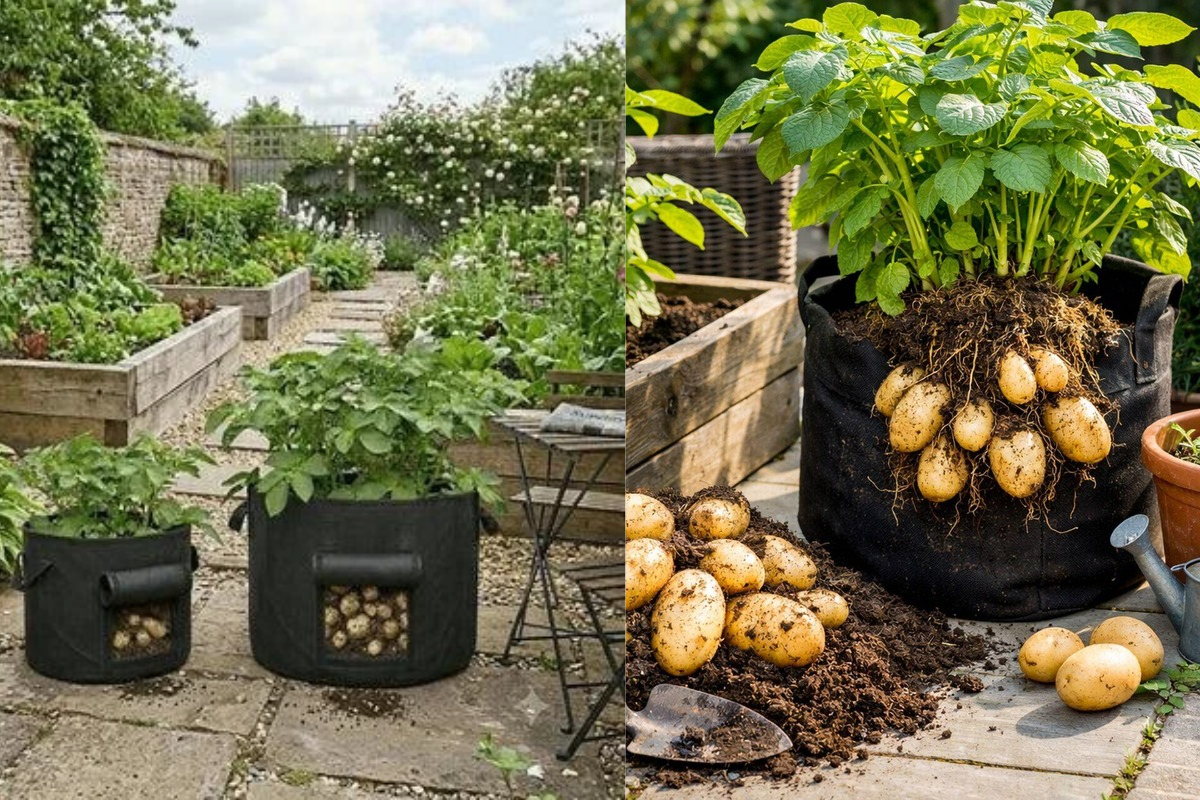
Growing your own vegetables at home is one of the most rewarding gardening activities. However, not everyone has a large backyard or enough garden space to grow vegetables directly in the ground. Fortunately, there is a simple solution that makes growing potatoes possible even in small spaces: Potato Grow Bags.
These specially designed gardening containers allow you to grow fresh potatoes on a patio, balcony, terrace, or anywhere with enough sunlight. They are convenient, portable, and easy to use, making them an excellent choice for beginners and experienced gardeners alike.
One of the biggest advantages of using potato growing bags is that you do not need a traditional vegetable garden. With the right growing bag, suitable soil, seed potatoes, and regular care, you can enjoy harvesting your own potatoes at home.
In this complete guide, you will learn everything you need to know about Potato Grow Bags, including how they work, how to choose the right size, how to plant potatoes, how often to water them, and when to harvest your crop.
Whether you are planning your first container garden or looking for a more convenient way to grow vegetables, this guide will help you get started.
advertisement
Table of Contents
What Are Potato Grow Bags?
Potato Grow Bags are specially designed containers used to grow potatoes without planting them directly in the ground. They are usually made from breathable fabric, felt, or other durable materials that allow air and water to move through the sides of the container.
Unlike traditional plastic pots, fabric potato bags provide better airflow around the growing medium. This can help reduce excess moisture and create a more suitable environment for healthy root development when the bags are filled and watered correctly.
Most potato growing bags are designed with several useful features, such as:
- Breathable fabric that allows air circulation.
- Drainage openings that help excess water escape.
- Strong handles for easier movement.
- Different capacities to accommodate different planting needs.
- Optional side harvesting windows for easier access to mature potatoes.
Some models include a small flap near the bottom. This feature allows gardeners to check for potatoes or harvest some of the crop without completely emptying the container.
Potato Grow Bags are particularly useful for people who live in apartments, have limited outdoor space, or want to experiment with container gardening.
Why Should You Grow Potatoes in Bags?
Growing potatoes in bags offers several advantages over traditional gardening methods. Although the results depend on the variety of potatoes, growing conditions, and care, these containers can make the gardening process more accessible.
1. Perfect for Small Spaces
One of the main reasons gardeners choose Potato Grow Bags is their space-saving design.
You do not need a large backyard or dedicated vegetable garden. A sunny balcony, patio, terrace, or small outdoor area may be enough to grow a few potato plants.
Instead of using a large section of your garden, you can place several bags in a suitable location and grow potatoes vertically within each container.
This makes potato growing bags particularly attractive to urban gardeners and people who want to produce some of their own food at home.
2. Easy to Move Around
Many potato growing bags come with reinforced handles that make them easier to move.
For example, if your balcony receives too much afternoon heat, you may be able to move the bags to a more suitable location. You can also reposition them to improve sunlight exposure.
However, remember that a large bag filled with wet soil can become very heavy. It is better to choose its final location before filling it.
3. Better Drainage
Good drainage is essential when growing potatoes.
Excess water can create waterlogged conditions, which may damage roots and increase the risk of rot.
Breathable fabric bags generally allow water to drain through their sides and bottom. This can help prevent water from accumulating around the roots.
Still, good drainage does not mean that your plants will never need attention. You must monitor soil moisture and avoid allowing the growing medium to become excessively wet or completely dry.
advertisement
4. Suitable for Beginner Gardeners
Potato Grow Bags are relatively simple to use.
You do not need complicated gardening equipment, specialized construction, or a large planting area.
The basic process involves filling the bag with a suitable growing medium, planting seed potatoes, adding more soil as the plants grow, and providing regular water and sunlight.
This makes them a practical starting point for anyone interested in growing vegetables at home.
5. Easier Harvesting
Some potato bags include a side access flap that allows you to reach potatoes growing near the bottom of the container.
This feature can be useful when you want to check whether potatoes are ready for harvesting.
However, not every bag has a harvesting window, and the presence of a flap does not guarantee that all potatoes can be removed without disturbing the plant.
6. Reusable for Multiple Growing Seasons
Many fabric Potato Grow Bags are designed for repeated use.
After harvesting, you can empty the bags, remove old roots and plant debris, clean them according to the manufacturer’s instructions, and store them until the next growing season.
Their actual lifespan depends on material quality, exposure to sunlight, handling, and storage conditions.
Types of Potato Grow Bags
Not all potato growing bags are identical. Different designs offer different features, capacities, and levels of convenience.
Understanding the main types can help you choose a product that matches your gardening needs.
1. Fabric Potato Grow Bags
Fabric bags are among the most popular options for container gardening.
They are usually made from breathable nonwoven fabric or felt-like material. Their flexible construction makes them easy to store when they are empty.
Advantages include:
- Good airflow through the fabric.
- Convenient storage.
- Lightweight construction when empty.
- Different sizes and capacities.
- Suitable for patios and balconies.
Fabric bags are a practical option for gardeners who want a reusable container without spending too much money.
2. Potato Grow Bags with Harvest Windows
These bags include a side opening or flap that allows you to access the lower section of the growing container.
The harvesting window is one of the most attractive features because it provides easier access to potatoes without requiring you to empty the entire bag.
Before purchasing this type, check the size and position of the opening. A very small flap may not be particularly convenient when harvesting larger potatoes.
advertisement
3. Large Potato Growing Bags
Large-capacity bags provide more room for growing medium and root development.
They can be useful if you want to grow several seed potato pieces in one container.
However, bigger bags require more soil, water, and space. They may also become difficult to move after planting.
Choose a size that matches your available space and the planting recommendations for your selected potato variety.
4. Heavy-Duty Potato Grow Bags
Heavy-duty bags are designed with stronger fabric, reinforced stitching, or sturdier handles.
They may be suitable for gardeners who plan to reuse their bags over several growing seasons.
When comparing products, pay attention to the fabric thickness, handle construction, stitching quality, and customer feedback.
How to Choose the Best Potato Grow Bags
Choosing the right growing bag is an important step toward a successful harvest.
Although many products look similar, their materials, dimensions, and construction can vary significantly.
Here are the most important features to consider before buying.
Choose the Right Capacity
Potato Grow Bags are available in several sizes, commonly measured in gallons or liters.
For general home gardening, bags around 10 gallons can be a convenient starting point. Larger bags may offer more growing space, but they also require more growing medium.
Consider these factors:
- How many potato plants do you want to grow?
- How much outdoor space do you have?
- Can you comfortably fill and maintain a large bag?
- Does your chosen potato variety need additional room?
Always follow the recommended planting density for the variety and container size.
Look for Breathable Fabric
The material should allow sufficient airflow and drainage.
Breathable fabric helps reduce the likelihood of water remaining trapped in the growing medium, although watering practices remain essential.
Look for products that clearly describe their material and construction.
Check the Handles
Strong handles make it easier to position empty or partially filled bags.
Check whether the handles are reinforced and securely attached to the container.
Do not assume that a bag can safely be carried when completely filled with wet soil. Most containers are easier to reposition before planting or while they are still relatively light.
Consider a Harvesting Window
If convenience is important to you, consider Potato Grow Bags with a side harvesting window.
This feature allows you to inspect part of the growing area and may make harvesting easier.
However, it is not an essential feature. Standard fabric bags can also produce excellent results when used correctly.
Check Durability and Reusability
A good growing bag should withstand regular watering, outdoor conditions, and the weight of the growing medium.
Look for reinforced seams, quality fabric, and reliable customer reviews.
If you plan to use your bags for multiple seasons, durability should be one of your main purchasing considerations.
Compare Prices and Customer Reviews
Before choosing a product, compare several options.
Pay attention to reviews mentioning:
- Fabric quality.
- Drainage performance.
- Handle strength.
- Actual product dimensions.
- Ease of harvesting.
- Durability after repeated use.
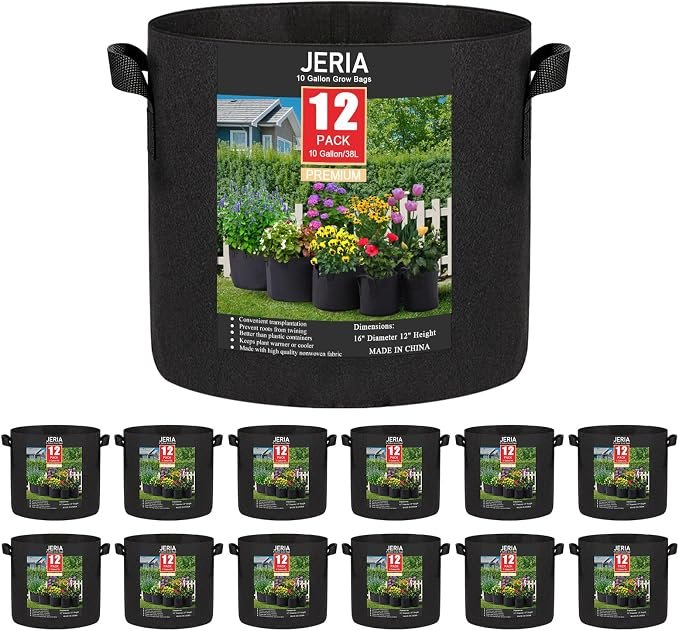
Recommended Product: Potato Grow Bags with Harvest Window
If you want a convenient option for growing potatoes at home, consider a reusable fabric potato growing bag with drainage and a side harvesting window.
Suggested affiliate button text: Check Price on Amazon
What Do You Need to Grow Potatoes in Grow Bags?
Before planting, prepare all the materials you need.
The good news is that you do not need expensive gardening equipment.
Here is a basic list:
1. Potato Grow Bags
Choose containers with enough capacity for your selected potato variety and the number of seed pieces you intend to plant.
For beginners, starting with one or two bags is a good way to learn how container potato gardening works.
advertisement
2. Seed Potatoes
Use certified seed potatoes from a reliable supplier whenever possible.
Seed potatoes are grown specifically for planting and are generally a better choice than ordinary supermarket potatoes.
Choose healthy, firm seed potatoes without signs of decay or disease.
3. Quality Potting Mix
Potatoes grow best in loose, well-draining soil.
A suitable container growing mix should provide enough nutrients while allowing water and air to reach the roots.
Avoid using heavy garden soil alone because it can become compacted inside containers.
4. Compost
Compost can improve soil structure and provide organic matter.
Mixing a suitable amount of mature compost into your growing medium can support healthy plant development.
Avoid using unfinished compost or excessive amounts of fresh manure.
5. Watering Can or Garden Hose
Potatoes need consistent moisture throughout their growing period.
A watering can with a gentle rose attachment is useful for smaller containers.
6. Gardening Gloves
Gloves help keep your hands clean when preparing the soil, planting seed potatoes, and harvesting your crop.
How to Plant Potatoes in Potato Grow Bags
Planting potatoes in bags is a straightforward process.
Follow these steps to create a suitable growing environment for your plants.
Step 1: Choose a Suitable Location
Start by selecting a location that receives plenty of sunlight.
Potatoes generally grow best with around six to eight hours of sunlight per day.
A sunny patio, balcony, or garden area can work well.
Make sure the surface underneath the bags allows excess water to drain freely.
Step 2: Prepare Your Seed Potatoes
Choose healthy seed potatoes.
If they are relatively large, you may be able to cut them into smaller pieces, provided each piece has at least one or two healthy eyes.
Allow cut pieces to dry for a short period in a cool, well-ventilated place before planting, so the cut surfaces can form a protective layer.
Small seed potatoes can often be planted whole.
Step 3: Fill the Bag with Growing Medium
Open your Potato Grow Bag and place it in its final growing location.
Add approximately 4 to 6 inches of suitable potting mix to the bottom.
The exact depth can vary depending on the bag size and planting method.
Make sure the growing medium is loose rather than tightly compressed.
Step 4: Plant the Seed Potatoes
Place the seed potatoes on top of the growing medium with their eyes facing upward.
Leave enough space between them to allow the plants to develop.
For a typical 10-gallon container, you might start with two or three seed potatoes, depending on their size and the manufacturer’s or variety-specific planting recommendations.
Cover the potatoes with approximately 3 to 4 inches of growing medium.
advertisement
Step 5: Water the Container
Water gently after planting.
The growing medium should become evenly moist without becoming waterlogged.
Allow excess water to drain away.
Step 6: Wait for the Shoots to Appear
Potato shoots usually emerge after a few weeks, although the timing depends on temperature, variety, and growing conditions.
During this period, check the soil regularly.
Avoid allowing the container to dry out completely.
Step 7: Add More Soil as the Plants Grow
One of the most important techniques when growing potatoes in bags is called hilling.
As the plants grow taller, gradually add more growing medium around the lower stems.
Leave the upper leaves exposed so they can continue receiving sunlight.
Repeat this process until the bag is nearly full, while avoiding covering the foliage completely.
Hilling helps protect developing potatoes from sunlight, which can cause them to turn green.
How to Water Potato Grow Bags Properly
Watering is one of the most important parts of growing potatoes in containers.
Unlike potatoes planted directly in the ground, container-grown potatoes depend on the moisture available inside a limited amount of growing medium.
This means you need to monitor your bags more frequently.
Check Soil Moisture Regularly
Do not rely on a fixed watering schedule alone.
Insert your finger into the growing medium to check whether it feels dry below the surface.
If the upper few inches feel dry, it may be time to water.
The exact frequency depends on temperature, sunlight, wind, bag size, and soil composition.
Avoid Overwatering
Too much water can reduce the amount of oxygen available around the roots.
It can also increase the risk of root problems and tuber rot.
Make sure your Potato Grow Bags have adequate drainage.
Avoid Letting the Soil Dry Completely
Potatoes need reasonably consistent moisture to develop properly.
Long periods of drought followed by heavy watering can contribute to uneven growth and poor-quality tubers.
Try to maintain steady moisture throughout the growing season.
Water More Frequently During Hot Weather
Fabric bags can lose moisture more quickly than some traditional containers.
During warm or windy conditions, check your plants more frequently.
Water in the morning when possible, giving the growing medium time to drain before temperatures become too high.
How Much Sunlight Do Potato Grow Bags Need?
Potatoes are sun-loving plants.
For good growth, most varieties benefit from approximately six to eight hours of direct sunlight each day.
Insufficient sunlight can result in weak stems and reduced productivity.
However, extreme heat can also create challenges.
If you live in a very hot climate, consider placing your bags where they receive morning sunlight and some protection from intense afternoon heat.
Monitor the plants during heatwaves and check soil moisture more frequently.
The goal is to provide enough light for healthy growth without allowing the growing medium to become excessively hot or dry.
Best Soil for Potato Grow Bags
The quality of the growing medium has a major influence on container gardening results.
Potatoes need loose, fertile, and well-draining soil.
A heavy or compacted mixture can make it difficult for tubers to develop properly.
A Simple Growing Medium Recipe
For a basic homemade mixture, you can combine:
- 60% quality potting mix.
- 30% mature compost.
- 10% perlite or another suitable drainage amendment.
This is a starting point rather than a universal formula.
Adjust the mixture depending on the products available and the characteristics of your local climate.
Why Soil Structure Matters
Potatoes develop underground, so the growing medium needs to remain loose enough for tuber expansion.
A suitable mixture also helps maintain a balance between moisture retention and drainage.
Avoid filling your potato bags with dense clay soil or soil that becomes hard when dry.
How to Fertilize Potatoes in Growing Bags
Because containers hold a limited amount of growing medium, nutrients can become depleted during the growing season.
Providing suitable fertilizer can support healthy foliage and tuber development.
Choose a Balanced Fertilizer
Start with a fertilizer suitable for vegetables.
Follow the manufacturer’s instructions regarding application rates and frequency.
Avoid applying excessive fertilizer, particularly products that contain high amounts of nitrogen.
Too much nitrogen may encourage excessive leaf growth at the expense of tuber development.
Consider Potassium
Potassium is an important nutrient for plant development.
A suitable vegetable fertilizer that provides balanced nutrition, including potassium, can support healthy potato growth.
Do Not Overfertilize
More fertilizer does not necessarily mean more potatoes.
Excessive nutrients can damage plants or create imbalances in the growing medium.
Always follow product directions and avoid mixing multiple fertilizers without understanding their nutrient content.
advertisement
When Are Potatoes Ready to Harvest?
Knowing when to harvest is one of the most exciting parts of using Potato Grow Bags.
Harvest timing depends on the potato variety and whether you want small new potatoes or fully mature potatoes.
Harvesting New Potatoes
New potatoes are small, tender potatoes harvested before the plant has fully matured.
They can often be harvested after the plants have flowered, depending on the variety and growing conditions.
You can gently check for small tubers without disturbing the entire container.
Harvesting Mature Potatoes
For mature potatoes, wait until the foliage begins to turn yellow and die back.
This usually indicates that the plant is approaching the end of its growing cycle.
After the foliage dies, allow the tubers to remain in the growing medium for approximately 10 to 14 days if conditions are suitable. This can help the skins become firmer before harvesting.
How to Harvest Potatoes from Grow Bags
Follow these steps:
- Stop watering when the plants have reached maturity and the foliage has died back.
- Move the bag to a suitable area if necessary.
- Open the harvesting flap if your bag includes one.
- Carefully remove the potatoes without damaging them.
- Empty the remaining growing medium when you are ready for the complete harvest.
- Allow the potatoes to dry in a cool, shaded, well-ventilated location.
Avoid washing potatoes intended for storage immediately after harvesting. Brush off loose soil and allow their surfaces to dry.
How Many Potatoes Can You Grow in One Bag?
The number of potatoes you can harvest depends on several factors.
These include:
- The size and capacity of the growing bag.
- The number of seed potatoes planted.
- The potato variety.
- Sunlight exposure.
- Soil quality.
- Watering consistency.
- Fertilizer management.
- Temperature and overall growing conditions.
A 10-gallon bag may accommodate a small number of seed potatoes, but there is no guaranteed harvest quantity.
Planting too many seed potatoes in one bag can cause overcrowding and competition for nutrients, water, and space.
For beginners, it is better to start with fewer seed potatoes and observe how they develop.
Common Problems When Growing Potatoes in Bags
Although Potato Grow Bags make container gardening easier, you may still encounter some challenges.
Understanding these problems can help you prevent them.
1. Yellowing Leaves
Yellow leaves can be a normal sign of maturity, especially near the end of the growing season.
However, premature yellowing may indicate watering problems, nutrient deficiencies, pests, or disease.
Check the growing conditions before deciding what action to take.
2. Small Potatoes
Small tubers can result from overcrowding, insufficient sunlight, poor soil conditions, irregular watering, or harvesting too early.
Make sure your plants have enough space and receive consistent care.
3. Green Potatoes
Potatoes exposed to sunlight can turn green.
This is a sign that the tuber has been exposed to light and may contain increased levels of glycoalkaloids.
Green potatoes should not be eaten. Do not assume that removing the green skin makes a heavily green potato safe.
Prevent this problem by adding enough growing medium around the lower stems as the plants develop.
4. Waterlogged Soil
If your bag remains excessively wet, the roots may not receive enough oxygen.
Check the drainage and avoid watering when the growing medium is already saturated.
5. Pest Problems
Potatoes can attract pests such as aphids and potato beetles, depending on your region.
Inspect leaves regularly for insects, eggs, holes, or other signs of damage.
Remove pests manually when practical and use appropriate pest management methods for your location.
Are Potato Grow Bags Reusable?
Yes, many fabric potato growing bags can be reused.
However, proper cleaning and storage are important.
After harvesting:
- Empty the bag completely.
- Remove old roots and plant debris.
- Shake off remaining soil.
- Clean the bag according to the manufacturer’s instructions.
- Allow it to dry completely.
- Store it in a cool, dry place.
Avoid storing bags while they are wet because trapped moisture may encourage mold or unpleasant odors.
If the fabric is torn, the handles are damaged, or the seams are coming apart, consider replacing the bag before using it again.
It is also important to avoid reusing contaminated growing medium. If your previous crop had a serious disease problem, dispose of the affected medium appropriately and clean the container carefully.
Potato Grow Bags vs. Traditional Garden Beds
Both container gardening and traditional gardening can produce healthy potatoes.
However, each method has advantages and disadvantages.
Growing Potatoes in Bags
Advantages:
- Suitable for balconies and patios.
- Requires less dedicated garden space.
- Easier to manage the growing medium.
- Portable before the bags become heavy.
- Convenient for beginners.
- Can be reused when maintained properly.
Disadvantages:
- Requires more frequent moisture monitoring.
- The growing medium may dry out quickly.
- Large bags can be heavy.
- Container capacity limits the number of plants.
Growing Potatoes in the Ground
Advantages:
- More room for planting.
- Soil moisture may remain more stable.
- Suitable for larger crops.
- Less dependence on containers.
advertisement
Disadvantages:
- Requires suitable garden space.
- Soil preparation may be necessary.
- Harvesting can disturb the surrounding soil.
- Poor drainage or unsuitable soil conditions can create problems.
If you have limited space, Potato Grow Bags can be an excellent alternative.
If you have a large vegetable garden and want to grow a substantial quantity of potatoes, traditional planting may be more practical.
Best Potato Varieties for Growing in Bags
Not every potato variety behaves exactly the same way in containers.
Some varieties are particularly convenient for home gardeners because of their growth characteristics and relatively manageable growing periods.
Here are a few varieties worth considering.
Yukon Gold
Yukon Gold is a popular yellow-fleshed potato variety.
It is known for its buttery flavor and versatility in the kitchen.
It can be a good choice for home gardeners who want potatoes for roasting, boiling, and mashing.
Red Norland
Red Norland is an early potato variety with red skin and white flesh.
Its relatively early maturity makes it attractive to gardeners who want to harvest potatoes earlier in the growing season.
Russet Potatoes
Russet potatoes are known for their rough brown skin and fluffy texture.
They are commonly used for baking and making French fries.
Choose a container with sufficient capacity and follow the growing recommendations for your selected variety.
Fingerling Potatoes
Fingerling potatoes are smaller, elongated varieties.
Their unusual shapes and flavors make them interesting options for home vegetable gardens.
Before planting, check whether the variety is suitable for your local climate and growing season.
Tips for Getting a Better Harvest from Potato Grow Bags
If you want to get the most from your container garden, a few simple practices can make a difference.
Start with Quality Seed Potatoes
Healthy planting material provides a better starting point.
Purchase seed potatoes from a reputable supplier and avoid planting tubers that show signs of decay or disease.
Do Not Overcrowd the Bag
Planting too many seed potatoes in a single container can limit growth.
Follow spacing recommendations and choose a bag large enough for the number of plants.
Keep the Growing Medium Moist
Check soil moisture regularly, especially during warm weather.
Consistent watering is important for healthy development.
Hill the Plants Gradually
Add growing medium around the lower stems as the plants grow.
This protects developing tubers from sunlight.
Provide Enough Sunlight
Choose a bright location that receives sufficient direct sunlight.
If your area experiences intense heat, provide some protection during the hottest part of the day.
Inspect Your Plants Regularly
Look for yellowing leaves, damaged stems, pests, and signs of disease.
Early attention can prevent small problems from becoming more serious.
Rotate Your Growing Location and Growing Medium
Avoid repeatedly planting potatoes in contaminated growing medium.
Use fresh, suitable growing medium and follow good crop rotation practices to reduce the buildup of soilborne pests and diseases.
Are Potato Grow Bags Worth Buying?
For many home gardeners, Potato Grow Bags are worth considering.
They offer a practical way to grow potatoes without needing a traditional vegetable garden.
Their compact design makes them suitable for small outdoor spaces, while breathable fabric and drainage features can help create a suitable environment for container-grown potatoes.
They are particularly useful if you:
- Live in an apartment with a sunny balcony.
- Have a small patio or terrace.
- Want to introduce children to vegetable gardening.
- Prefer growing vegetables in containers.
- Want to experiment with different potato varieties.
- Need a gardening solution that can be stored when not in use.
However, they are not a perfect solution for every gardener.
You will need to monitor moisture more frequently, and the amount of potatoes you can grow is limited by the size of your containers.
The best approach is to start with one or two bags and see how they perform in your particular growing conditions.
Where to Buy Potato Grow Bags
If you are ready to start growing potatoes at home, choosing a suitable growing bag is an important first step.
Online marketplaces such as Amazon offer different types of potato growing bags, including breathable fabric containers, large-capacity bags, and models with side harvesting windows.
Before purchasing, compare the capacity, material, dimensions, handle strength, drainage design, and customer reviews.
For a beginner-friendly option, a reusable fabric bag with reinforced handles and a harvesting window may be worth considering.
Our Recommended Potato Growing Bag
[INSERT YOUR AMAZON AFFILIATE LINK HERE]
[INSERT PRODUCT IMAGE HERE]
Look for a product that offers:
- Durable breathable fabric.
- Good drainage.
- Reinforced handles.
- A practical container capacity.
- A convenient harvesting window.
- Reusable construction.
Affiliate disclosure: As an Amazon Associate, I earn from qualifying purchases. This means I may receive a small commission if you purchase through links on this page, at no additional cost to you.
advertisement
Frequently Asked Questions About Potato Grow Bags
Can you grow potatoes in Potato Grow Bags?
Yes. Potato Grow Bags are designed to provide a container environment for growing potatoes. With suitable seed potatoes, growing medium, sunlight, and regular watering, you can grow potatoes on patios, balconies, and other outdoor spaces.
What size Potato Grow Bag is best?
A 10-gallon bag can be a convenient starting point for home gardeners. Larger bags may accommodate more growing medium and planting space, but the ideal capacity depends on the potato variety and number of seed pieces.
How many potatoes can I plant in one grow bag?
The number depends on the size of the container and the seed potato pieces. A 10-gallon bag may accommodate approximately two or three seed potatoes, depending on their size and the growing recommendations.
How long does it take to grow potatoes in bags?
Many potato varieties take approximately 70 to 120 days to mature, although the exact time depends on the variety, climate, and growing conditions. Early varieties may be ready sooner than maincrop varieties.
Do Potato Grow Bags need drainage holes?
Yes. Proper drainage is essential. Most breathable fabric bags allow excess water to escape through their material and bottom. Check the product design before purchasing.
Can I use regular garden soil in potato growing bags?
It is generally better to use a loose, well-draining potting mix rather than heavy garden soil alone. A suitable container mix helps provide better aeration and drainage.
Do potato bags need full sunlight?
Potatoes generally benefit from around six to eight hours of sunlight daily. In very hot climates, some protection from intense afternoon heat may help prevent excessive stress.
Can I reuse Potato Grow Bags next year?
Yes, many fabric bags can be reused. Empty them after harvesting, remove plant debris, clean them according to the manufacturer’s instructions, dry them completely, and store them in a dry location.
Are potato bags with harvesting windows better?
They can be more convenient because the side flap allows you to inspect or access some potatoes without emptying the entire container. However, standard fabric bags can also produce good results.
Why are my potatoes growing leaves but no potatoes?
Excessive nitrogen, insufficient sunlight, unsuitable temperatures, overcrowding, or other growing problems can affect tuber production. Check your watering, fertilizer, and growing conditions.
Can I grow potatoes in bags indoors?
Potatoes generally need substantial sunlight, so an ordinary indoor room may not provide suitable conditions. A bright outdoor balcony, patio, or greenhouse is usually a better choice.
Can I grow potatoes in bags all year?
This depends on your climate and the potato variety. Potatoes have specific temperature and seasonal requirements. In many locations, they are best planted during suitable seasonal windows rather than continuously throughout the year.
Final Thoughts
Growing your own potatoes does not require a large backyard or an expensive vegetable garden.
With Potato Grow Bags, you can turn a small patio, balcony, or terrace into a productive container garden.
These practical containers make it easier to experiment with growing potatoes at home, especially if you are new to gardening or have limited outdoor space.
The key to success is choosing a suitable bag, using quality seed potatoes, preparing a loose growing medium, providing enough sunlight, and maintaining consistent soil moisture.
Remember that every growing environment is different. Your results will depend on your potato variety, local climate, container size, and daily care.
Start with one or two potato growing bags, follow the steps in this guide, and enjoy the experience of harvesting fresh potatoes from your own home garden!
